Marissa Chen didn't set out to overhaul her cooking. She was just tired. Tired of throwing away wilted spinach, tired of defaulting to the same five dinners on rotation, tired of cooking feeling like a chore she needed to get through. Then, on a whim, she started doing something small before she opened the fridge each evening: she'd pause, take a breath, and silently acknowledge everything sitting on those shelves.
"It sounds a little out there, I know," she laughs, speaking from her home in Portland, Oregon. "But within a couple of weeks, I started actually seeing what I had. Like really seeing it. And I stopped letting things go bad because I felt responsible for them in a new way."
What Marissa stumbled onto has a name — though she didn't know it at the time. Researchers and mindfulness practitioners call it gratitude-based awareness, and it's quietly reshaping how a growing number of American home cooks approach everything from grocery shopping to plating dinner.
The Shift That Happens Before You Even Turn on the Stove
Gratitude, at its core, is about noticing. And in a culture where food is abundant, convenient, and often invisible — we grab it, heat it, eat it, scroll through our phones — that kind of noticing is genuinely countercultural.
When you pause to think about the chain of people and processes that brought a single ear of corn to your kitchen — the farmer, the soil, the rain, the truck driver, the grocery store worker — something shifts. That corn stops being just a side dish. It becomes a small miracle you've been trusted to do something good with.
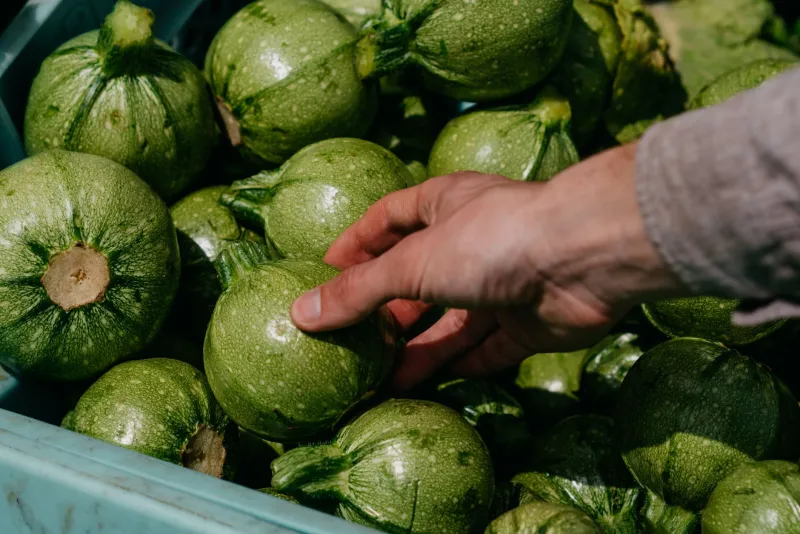
Denver-based home cook and father of three, Tomás Rivera, started a simple ritual two years ago that he calls his "farmer's moment." Every Sunday at the farmers market, he spends sixty seconds at each stall he visits, genuinely thanking the vendor — not just a transactional nod, but an actual conversation about what's growing well, what was a tough season, what he should try. "It changed what I buy," he says. "I used to just grab what looked pretty. Now I'm buying what they're proud of. And that food tastes different when you cook it. I swear it does."
Gratitude and the Grocery List
There's a practical dimension to all of this that's hard to ignore. When you feel genuinely connected to your ingredients, food waste drops — almost automatically.
The USDA estimates that American households waste between 30 and 40 percent of the food supply. A significant portion of that happens at home, in the back of the fridge, in the pantry behind the canned goods we bought with good intentions. Gratitude, oddly enough, turns out to be a surprisingly effective antidote.
Sarah Okonkwo, a home cook in Atlanta who blogs about Nigerian-American fusion cooking, put it plainly: "Once I started thinking about the hands that grew my food, I couldn't just toss half a bunch of cilantro anymore. I'd find a way. I'd make a sauce, I'd freeze it, I'd throw it into eggs the next morning. Gratitude made me resourceful in a way that meal planning apps never did."
She also noticed her ingredient selection changing. Instead of reaching for the most convenient option, she began gravitating toward what was in season, what was local, what had a story she could connect to. Her grocery runs started feeling less like errands and more like intentional choices.
Feeding People vs. Feeding Bodies
There's another layer to this that several cooks brought up independently, and it might be the most meaningful one: gratitude for the people sitting at the table.
When you cook with awareness of who you're feeding — their preferences, their histories, the fact that they're choosing to share a meal with you — the food changes. You season more carefully. You plate with a little more thought. You make the dish your mom loved because you're thinking about her, not just because it's easy.
Marissa describes it as the difference between cooking at people and cooking for them. "When I'm grateful for the people in my life, I want to feed them well. Not Instagram-well. Actually well. Like, I want them to feel it."
This isn't just poetic — it has culinary consequences. Cooks who approach a meal with intentionality tend to taste as they go, adjust seasoning, notice when something needs acid or sweetness. The emotional investment translates into a more engaged cooking process, which almost always produces better results.
Starting Your Own Practice (No Crystals Required)
You don't need a meditation cushion or a gratitude journal to bring this into your kitchen. The cooks we spoke with described practices as simple as:
- A breath before the fridge. Just one slow inhale before you open the refrigerator door and start grabbing things. Ask yourself: what's here that I should use today?
- Naming one thing. Before you start cooking, name one ingredient you're genuinely glad to have. Say it out loud if you're feeling bold. It sounds silly until it doesn't.
- A moment at the table. Not a formal grace, unless that's your tradition — just a beat before the first bite where everyone acknowledges something good from the day. It reframes the meal as a gathering, not just a refueling stop.
- A weekly conversation. Like Tomás, try actually talking to the people who grow or sell your food. Even a brief exchange at the farmers market or a kind word to your grocery store produce person counts.
None of these practices require extra time in any meaningful way. They require attention — which, in a distracted world, might be the more valuable resource anyway.
The Quiet Revolution Happening in Everyday Kitchens
What's striking about these stories is how ordinary the people telling them are. They're not wellness influencers or professional chefs. They're parents feeding kids after soccer practice, couples cooking on a Tuesday night, single people making dinner for one. And they've all arrived, through different paths, at the same realization: how you feel about your food changes the food.
Gratitude doesn't make you a better cook the way a knife skills class does. It makes you a more present one. And presence, it turns out, is most of what cooking actually asks of you.
So tonight, before you start chopping or sautéing or pulling something out of the freezer, try it. One breath. One quiet thank you — to the farmer, to the season, to the person you're about to feed, to yourself for showing up in the kitchen at all.
See if the meal tastes any different.
We think it might.