From Seed to Supper: What a Little Patch of Green Teaches You About Food
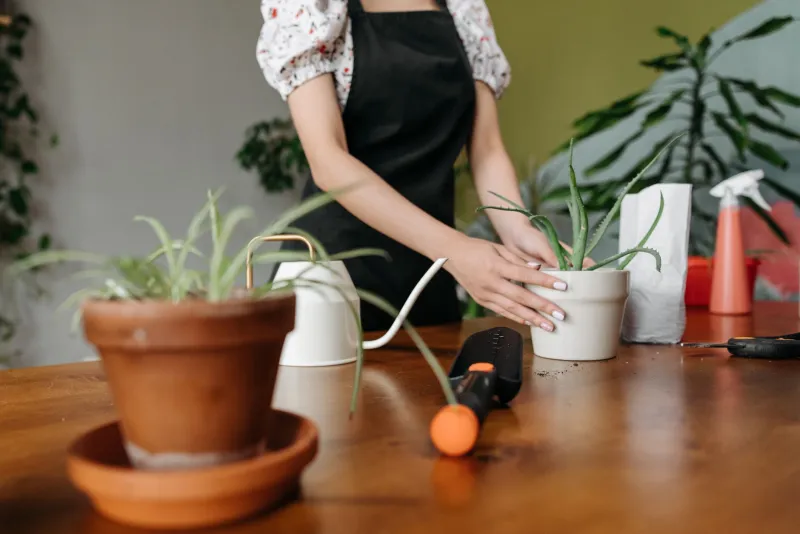
It started with a single basil plant from the farmers market. Nothing fancy — just a $3 bunch of stems in a plastic sleeve that someone at the table suggested we try rooting in water. Three weeks later, there were roots. A few weeks after that, actual leaves. And the first time those leaves ended up torn over a bowl of pasta, something shifted in the kitchen that hasn't quite shifted back.
That's the thing about growing your own food. It doesn't have to be a sprawling vegetable garden to matter. It doesn't require a yard, a truck full of soil, or a green thumb you were born with. What it requires is a little attention — and what it gives back is a connection to your food that no grocery run can replicate.
You Don't Need a Garden. You Need a Start.
For most people in the US, the idea of "growing your own food" conjures images of raised beds, weekend farmer cosplay, and Instagram-worthy harvests. But the honest truth is that a sunny windowsill and a few containers can get you further than you'd think.
Here's where beginners tend to succeed:
Herbs first, always. Basil, mint, chives, parsley, and cilantro are forgiving and fast. They don't need much space, they respond well to regular trimming (which is really just cooking), and they make an immediate difference in your meals. A small pot of fresh thyme on the kitchen counter will make you reach for it in ways a dried jar never will.
Cherry tomatoes for the balcony crowd. If you have even a small outdoor space — a patio, a balcony, a stoop that gets six hours of sun — a single cherry tomato plant in a five-gallon bucket can produce more fruit than you expect. The variety 'Sungold' is practically foolproof and tastes like summer in a way that store-bought tomatoes rarely do.
Lettuces and greens for the windowsill. Loose-leaf lettuce, arugula, and spinach can grow in shallow containers and don't need direct outdoor sun. Cut-and-come-again varieties mean you're harvesting the outer leaves while the plant keeps producing. It's one of the most satisfying cycles in beginner growing.
The goal isn't self-sufficiency. It's participation.
The Ritual of Tending
There's a kind of mindfulness built into caring for plants that's hard to manufacture elsewhere. You can't rush a seedling. You can't shortcut a tomato. Every morning check — a quick scan for new growth, a finger pressed into the soil to test moisture — becomes a small act of presence in a day that often moves too fast.
Chefs and food writers sometimes talk about "respecting your ingredients," but that phrase can feel abstract when you're pulling something from a plastic clamshell. It becomes very concrete when you've been watching something grow for six weeks. When you finally snip those first chive stems over a baked potato, you know exactly what went into them: water, light, time, attention. That's not nothing. That's actually everything.
Gardening also teaches patience in a way that mirrors cooking itself. A slow braise, a properly proofed bread dough, a stock that simmers all afternoon — these things can't be rushed without losing something essential. Plants understand this. And spending time with them has a way of quietly recalibrating your relationship with the kitchen.
How Homegrown Changes the Way You Cook
Something interesting happens when you have fresh herbs on hand: you stop following recipes so rigidly. You start cooking toward what you have rather than shopping for what a recipe demands. A handful of mint goes into a grain salad that wasn't originally planned. Excess basil becomes a quick pesto that gets stirred into scrambled eggs the next morning. Overgrown chives end up in compound butter that makes a Tuesday night steak feel like something special.
This is the deeper gift of the kitchen garden. It makes you more intuitive, more improvisational, more attuned to the season. When your tomato plant is suddenly producing more than you can eat in salads, you make sauce. When the herbs are about to bolt in the summer heat, you harvest everything and make a chimichurri or a herb oil that preserves that moment in a jar.
You also waste less. When you've grown something yourself, throwing it away feels genuinely painful. That awareness — that mild reluctance to let anything go to waste — is a form of gratitude in action. It's not guilt. It's care.
Starting Small, Staying Honest
If you've never grown anything before, here's the most useful advice: start with one thing. Not a whole garden plan. Not a seed catalog order. One herb, one container, one spot with decent light. Tend it for a month. Cook with it when it's ready. See how it feels.
For most people, that's all it takes. One small success creates curiosity. Curiosity creates a second pot. A second pot becomes a small collection. Before long, you're the person at the dinner table suggesting that everyone try rooting those basil stems in water.
The food we grow ourselves carries something different — not just flavor, though the flavor is genuinely better. It carries a story. It carries our attention, our mornings, our small daily acts of care. And when that food finally makes it to the table, the meal feels less like something we assembled and more like something we made. Truly made.
That's the ritual of the kitchen garden. Not perfection, not abundance — just the quiet satisfaction of feeding people with something you helped bring into the world.