What Your Pantry Says About You (And How to Make It Speak with Intention)
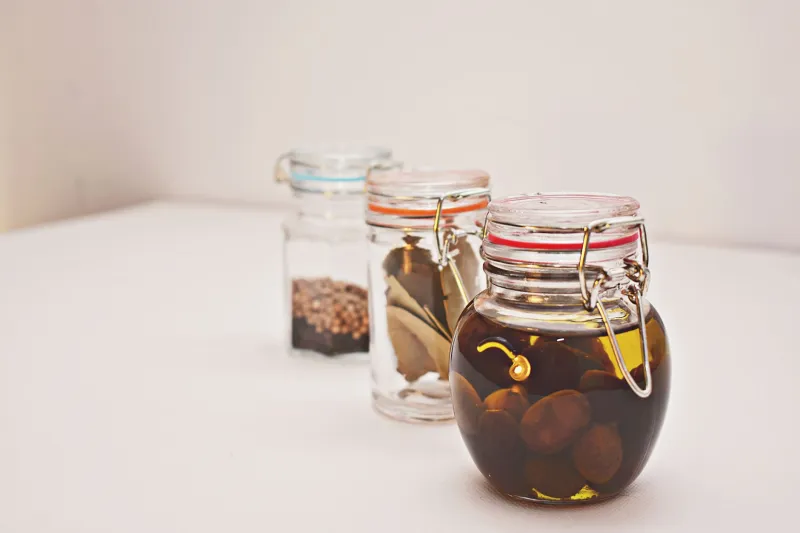
Open your pantry right now. Go ahead — really look at it.
If you're like most home cooks, you'll find a little chaos in there. A bottle of fish sauce you bought for one recipe three years ago. Four half-empty bags of pasta in slightly different shapes. Something in a can with a label you no longer recognize. Maybe a fancy grain you grabbed at a farmers market because it felt like the right thing to do, still sealed, still waiting.
There's no judgment here. We've all been there. But there's something worth noticing in that clutter — because it usually tells the story of a kitchen that's been reacting instead of choosing. And there's a quieter, more satisfying way to stock a kitchen. One that starts not at the grocery store, but with a question: What do I actually cook? What do I genuinely reach for? What ingredients make me feel good about feeding myself and the people I love?
That's the beginning of what we'd call a gratitude pantry.
It's Not About Minimalism for Its Own Sake
Let's get one thing straight: this isn't about having a perfectly sparse, Pinterest-worthy shelf with twelve items in matching glass jars. That's an aesthetic, not a philosophy. A gratitude pantry isn't about having less — it's about having right.
The difference matters. Minimalism as a trend can make you feel like you're doing it wrong unless everything is uniform and curated to the point of sterility. But building a pantry with intention is warmer than that. It's about removing the noise so you can hear what your kitchen is actually trying to say.
When you strip away the impulse purchases and the aspirational ingredients you never actually use, what's left is a pretty honest portrait of how you cook and what you care about. That's worth something.
Start With What You Already Love
Before you buy a single thing, spend a week paying attention. Which ingredients do you reach for almost every day without thinking? For most home cooks, there's a reliable inner circle — maybe it's a good olive oil, a particular hot sauce, dried pasta, canned tomatoes, a favorite vinegar. These are your anchors. They deserve the front row on your shelf and your best attention when it comes time to restock.
This is also where quality starts to matter in a way that feels real rather than aspirational. When you're using an ingredient constantly, upgrading it — even modestly — has an outsized impact on everything you cook. A slightly better olive oil, one that you actually taste before buying, changes pasta, salads, roasted vegetables, and dressings all at once. A sea salt with real mineral character makes your morning eggs different. These aren't luxury moves. They're investments in the cooking you already do.
The Case for Heirloom Grains and Heritage Staples
Here's a small but meaningful shift worth considering: when you do branch out beyond your everyday staples, look for ingredients with a story. Heirloom grains — things like farro, einkorn, or Anson Mills grits if you're in the South — carry centuries of agricultural tradition in them. Dried beans from a small American grower like Rancho Gordo aren't just prettier than the generic store brand; they cook up creamier, more flavorful, and they connect you to a farming community that's actively preserving biodiversity.
This isn't about spending more money. It's about spending more consciously. One bag of heirloom black beans that you use in three different meals over two weeks is a better investment than four cheap ingredients that sit untouched. When you know where something came from and why it matters, you're far more likely to actually cook with it — and to feel something like gratitude when you do.
Decision Fatigue Is Real, and Your Pantry Can Fix It
There's a practical side to all of this that doesn't get talked about enough. A well-chosen pantry doesn't just feel better — it functions better. When your shelves are stocked with ingredients you genuinely use and genuinely enjoy, cooking on a Tuesday night when you're tired and uninspired becomes a completely different experience.
You're not staring into the abyss of seventeen half-used condiments trying to figure out what to make. You're working with a familiar, trusted cast of ingredients that you know how to coax into a meal. That's not boring — that's freedom. The French have a phrase for this kind of cooking: cuisine du placard, or pantry cooking. It's a skill that home cooks across cultures have practiced forever, and it starts with having a pantry worth cooking from.
Less clutter means fewer decisions. Fewer decisions means more energy for the actual joy of cooking.
A Simple Framework for Getting There
If you want to start rebuilding your pantry with more intention, here's a gentle approach that doesn't require a full overhaul on a Saturday afternoon:
First, do a quiet audit. Pull everything out, check dates, and be honest. Anything expired goes. Anything you've owned for more than a year and haven't touched goes too — donate it to a local food pantry if it's still good. What remains is your starting point.
Second, notice your gaps. After a week or two of cooking from what you have, you'll naturally discover what you actually need. Buy those things thoughtfully. Read labels. Choose quality over quantity.
Third, introduce one new intentional ingredient per month. Not because a food blog told you to, but because you're genuinely curious. A new vinegar. A dried chile you've never cooked with. A whole spice you've only ever bought pre-ground. One ingredient at a time keeps the pantry from getting overwhelming again.
Finally, use what you have before you buy more. This sounds obvious, but it's genuinely transformative as a habit. It cuts waste, it saves money, and it forces a creativity that no recipe can teach you.
The Gratitude Part
Here's the thing about building a pantry this way — it quietly changes your relationship with food in a way that goes beyond efficiency or aesthetics. When you know what's on your shelves and why it's there, you feel a kind of low-key abundance that has nothing to do with how much you spent. You open the cabinet and you see possibility instead of chaos.
That feeling — that small, daily recognition that you have good things to cook with and the knowledge to use them — is a form of gratitude that doesn't require a journal or a meditation practice. It just requires paying attention.
And in a world that's constantly trying to sell you the next ingredient you absolutely cannot live without, choosing your own shelves with care is a quiet, radical act.
Your pantry is yours. Make it mean something.