Somewhere between the half-used can of coconut milk and the wilting bunch of parsley, there's a story. It's the story of what you bought with good intentions, what you actually cooked, what you wasted, and what surprised you. Most of us never stop long enough to read it.
But what if you did?
That's the idea behind keeping what some home cooks are starting to call a fridge gratitude jar — a low-tech, high-meaning practice of jotting down the ingredients, meals, and kitchen moments you're genuinely thankful for. It sounds almost too simple. And yet, for the people who try it, something shifts.
The Idea Is Smaller Than You Think
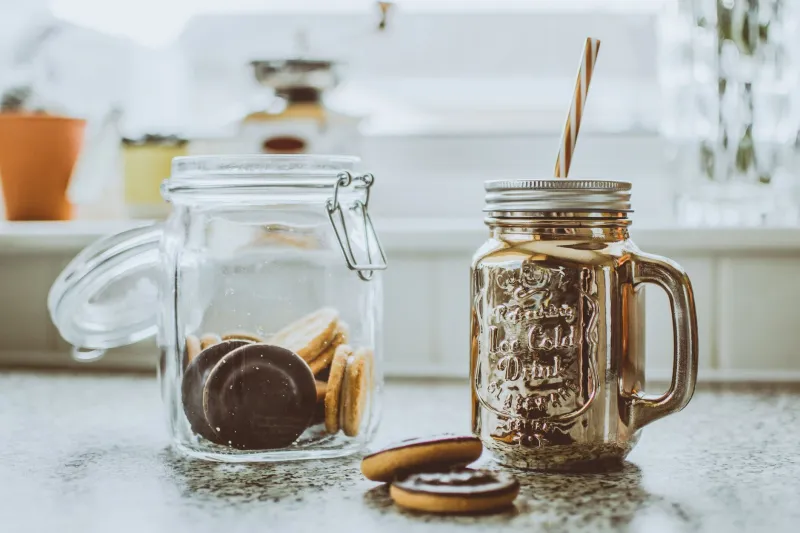
Forget the elaborate journaling setup. This doesn't require a beautiful notebook or a dedicated app (though either can work just fine). The original version is literally a jar — a mason jar, a repurposed pasta sauce container, whatever you've got — kept on the fridge door or the kitchen counter with a small pad of paper and a pen nearby.
Once a day, or even a few times a week, you write down one thing food-related that you felt grateful for. It might be:
- The fact that your grocery store had ripe avocados on sale
- A dinner that came together from scraps and tasted genuinely good
- The smell of garlic hitting a hot pan on a Tuesday evening when you needed comfort
- Realizing you still had chicken broth in the freezer when you thought you were out
These aren't grand revelations. They're small, honest observations. And that's exactly what makes them powerful.
Why Putting It Near the Fridge Matters
Location is everything with habit formation. We already visit the fridge multiple times a day — for a snack, to figure out dinner, to grab the creamer for our morning coffee. Placing the jar there means the practice is woven into the rhythm of your kitchen life rather than sitting on a nightstand where you'll remember it only sometimes.
There's also something psychologically interesting about pausing at the fridge — a place we often approach with mild frustration (there's nothing to eat) — and being nudged toward appreciation instead. Over time, that small reframe starts to stick. You begin to see the fridge not as a source of disappointment but as a kind of pantry of possibility.
How It Changes What You Actually Cook
Here's where things get practical in a way that might surprise you.
When you start writing down what you're grateful for in your kitchen, you naturally start noticing patterns. You notice that the weeks you cook with fresh herbs feel more alive. You notice that the meals you're most proud of were often made with humble ingredients. You notice that the things you waste most frequently are things you bought with ambition but no real plan.
That awareness doesn't lecture you. It just shows up, quietly, like a friend who's been paying attention.
Over a few weeks, most people who keep a fridge gratitude jar report making subtly different choices at the grocery store — buying less on impulse, choosing ingredients they know they'll actually use, and feeling more excited about cooking what they already have. It's not a meal planning system, exactly. It's more like a compass that starts pointing you in a direction that feels good.
Starting Your Own Practice
If you want to try this, here's a simple way to begin:
Step 1: Choose your container. Any jar or small box works. If you want to go digital, a note in your phone labeled "Kitchen Gratitude" does the same job. Pick whatever you'll actually use.
Step 2: Set a low bar. Commit to one note per week, minimum. Not one per day — that can feel like homework. Once a week is enough to build the habit and start seeing patterns.
Step 3: Write without editing yourself. If you're grateful that your kid ate the broccoli without complaining, write that down. If you're grateful for a frozen pizza on a night when you had nothing left to give, write that too. This isn't a highlight reel. It's a real record.
Step 4: Read back through it monthly. Set a reminder on your phone for the first Sunday of each month to pull out your notes (or scroll through your phone note) and read what you've written. This is where the real value lives — not in the individual entries, but in the cumulative picture they paint.
The Unexpected Bonus: Less Waste, More Intention
One thing almost nobody expects when they start this practice is how much it affects food waste. When you've written down that you were grateful for the last of the roasted sweet potatoes you turned into a frittata, you start thinking about the other things in your fridge with that same creative lens. Nothing feels quite as disposable anymore.
This isn't about guilt. It's about connection. When you've acknowledged that an ingredient mattered — that it fed you, that it was part of a moment — you're less likely to let it quietly expire in the back of the crisper drawer.
For a lot of households, that shift alone is worth the practice.
Gratitude as a Cooking Philosophy
There's a reason this feels right as a kitchen practice specifically. Cooking is already an act of care — for yourself, for the people you feed, for the resources that went into producing what's on your counter. Gratitude just makes that care conscious.
When you cook from a place of appreciation rather than obligation or autopilot, the food tends to be better. Not because of some mystical ingredient, but because you're paying attention. You're tasting as you go. You're making small decisions with intention. You're present in a way that busy modern life rarely invites.
The fridge gratitude jar is just a reminder to do that. A small, low-effort nudge toward a way of cooking — and eating — that feels like it actually means something.
You don't have to overhaul your kitchen or your meal planning or your relationship with food all at once. You just have to find a jar, write one true thing, and see where it leads.