What Your Spice Drawer Is Actually Telling You About Your Life Right Now
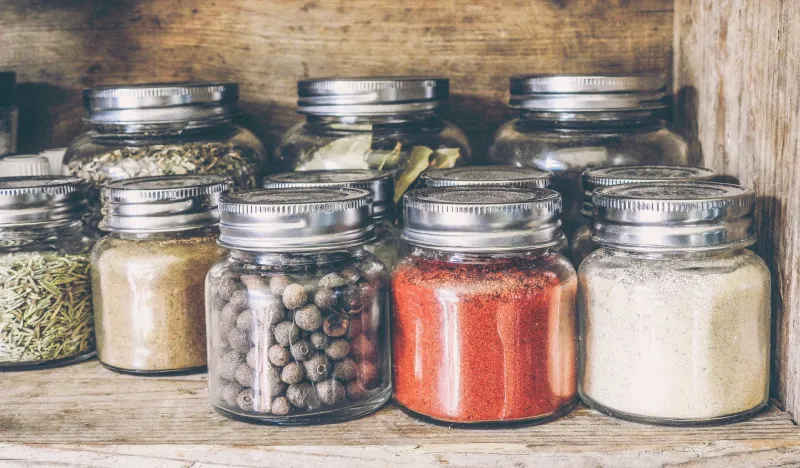
Somewhere between the turmeric you bought during that wellness phase and the smoked paprika you grabbed on a whim last fall, there's a story. Not a recipe — a story. About who you were when you stocked that shelf, what you were craving that you couldn't quite name, and maybe what you're still searching for now.
We talk a lot about food as nourishment. We talk about ingredients, techniques, seasonal eating. But we don't talk nearly enough about why certain flavors call to us the way they do. Your spice drawer isn't just a practical storage solution. It's a kind of emotional archive — dusty in some corners, surprisingly current in others.
The Spices You Keep Are the Ones That Feel Like Safety
Think about the seasonings you've had for years. The ones you'd replace immediately if they ran out. For a lot of us, those are the flavors that were present in childhood kitchens — garlic powder, onion salt, maybe a well-worn tin of Italian seasoning. These aren't exciting spices. They're not what food bloggers photograph. But they're the ones that make food taste like home, and that's worth something.
There's real psychology behind flavor memory. The brain links scent and taste to emotion more directly than almost any other sense. When you reach for cinnamon, you might think you're just making oatmeal — but your nervous system might be reaching for something quieter. Comfort. Familiarity. A moment of warmth in a week that's felt a little too sharp at the edges.
Gratitude, in the kitchen, sometimes looks like honoring those humble jars. Not dismissing them as boring, but recognizing that they've shown up for you, meal after meal, without any fanfare.
The Spices You've Forgotten Say Something Too
Now flip it around. What's pushed to the very back? What did you buy with full intention and then never quite use?
For a lot of people, that's where ambition lives — the za'atar from a phase of wanting to cook more adventurously, the cardamom pods from a recipe you bookmarked but never made, the dried chiles you picked up at a farmers market feeling inspired. These aren't failures. They're evidence of curiosity. Of a version of you that wanted to reach a little further.
But here's the thing about those forgotten spices: they're also an invitation. Not a guilt trip. An invitation to ask what stopped you, and whether that thing is still true.
Sometimes the answer is just life — you got busy, the recipe felt complicated, Tuesday happened. But sometimes the answer is more interesting. Sometimes you bought that cardamom during a period when you were genuinely hungry for something new, and then retreated back to what felt safe when things got hard. That's not a character flaw. That's being human. But noticing it? That's the beginning of something.
How Your Spice Drawer Shifts With the Seasons of Your Life
If you've moved through different phases — a cross-country move, a breakup, a new job, becoming a parent — you might notice that your spice collection shifted without you consciously deciding it would.
People who've gone through grief often report pulling toward warm, heavy spices. Cumin. Coriander. Cloves. Flavors that feel substantial, that fill the mouth, that ground you in the body when everything else feels unmoored. People in new love tend to reach for brightness — fresh herbs, citrus zest, the kind of flavors that feel like possibility.
There's no universal map here, and that's kind of the point. Your spice drawer is yours. It reflects your particular emotional vocabulary, your cultural background, your memories, your current appetite for risk or comfort or adventure.
Paying attention to what you're reaching for — and what you're not — is a form of self-knowledge that doesn't require a therapist's couch or a journaling practice. It just requires a moment of actual looking.
Curating with Intention (Without Turning It Into a Project)
This is not a call to overhaul your spice rack. Please don't spend a Saturday afternoon alphabetizing your seasonings and buying matching glass jars. That misses the point entirely.
But there is something meaningful in doing a slow, honest inventory every now and then. Pull everything out. Smell each one. Notice what still feels alive and what's gone flat — both literally and figuratively. Toss what's stale. Keep what still sparks something, even if you can't explain why.
And then, intentionally, add one thing that represents where you want to go. Not where you think you should go — where you actually want to go. If you've been wanting to learn more about Indian cooking, grab some fenugreek and let it sit in a visible spot until it starts asking questions. If you've been craving something slower and more ceremonial, maybe it's a good smoked salt or a quality saffron — something that demands you slow down to use it properly.
The act of choosing what to bring into your kitchen is, at its heart, an act of intention. And intention is just another word for paying attention to what matters.
The Gratitude That Lives in a Pinch of Something Familiar
Here's what I keep coming back to: there's a kind of gratitude available to us in the smallest culinary moments that we almost always rush past.
When you open a jar of cumin and the smell hits you before you've even thought about it — that's your body recognizing something it loves. When you shake out the last of the smoked paprika and feel a small, irrational sadness — that's evidence that flavor has mattered to you. When you finally use that forgotten za'atar and think oh, why didn't I do this sooner — that's the kitchen teaching you something about the cost of waiting.
Your spice drawer is full of small, quiet moments of grace. The kind that don't announce themselves. The kind you have to actually slow down to notice.
So next time you reach past the front row to find something, pause for just a second. Ask yourself what you're really hungry for today. The answer might surprise you — and it might be sitting right there, in a little glass jar, waiting to be opened.